Dev Dhunsi (b. 1996) is a Norwegian–Indian artist living and working between Oslo and Punjab. He holds an MFA from the Royal Institute of Art in Stockholm (2024) and a BFA from the Oslo National Academy of the Arts. Recent solo exhibitions include Unmistakably You at Nitja Centre for Contemporary Art, Lillestrøm (2026), presented in conjunction with the release of his publication Mixed (SPBH Editions / Mack Books); as well as Encircling Stories at the Centre for Photography, Stockholm (2024), following its initial presentation at MELK, Oslo. His work has also been shown at the Museum of Contemporary Art, Zagreb during Organ Vida 13th Festival and FUTURES Photography. Dhunsi is a recipient of the Nordic Photobook Award 2024 and was selected as Ones to watch by British Journal of Photography in 2026.
For the 6th edition of Oslo Negativ, MELK proudly presents Dev Dhunsi.
Unmistakably You begins with an absence: Norwegian has no widely used equivalent of “mixed” for a person formed through more than one racial, cultural or geographic lineage. When an experience cannot be named, it is easily simplified or made invisible.
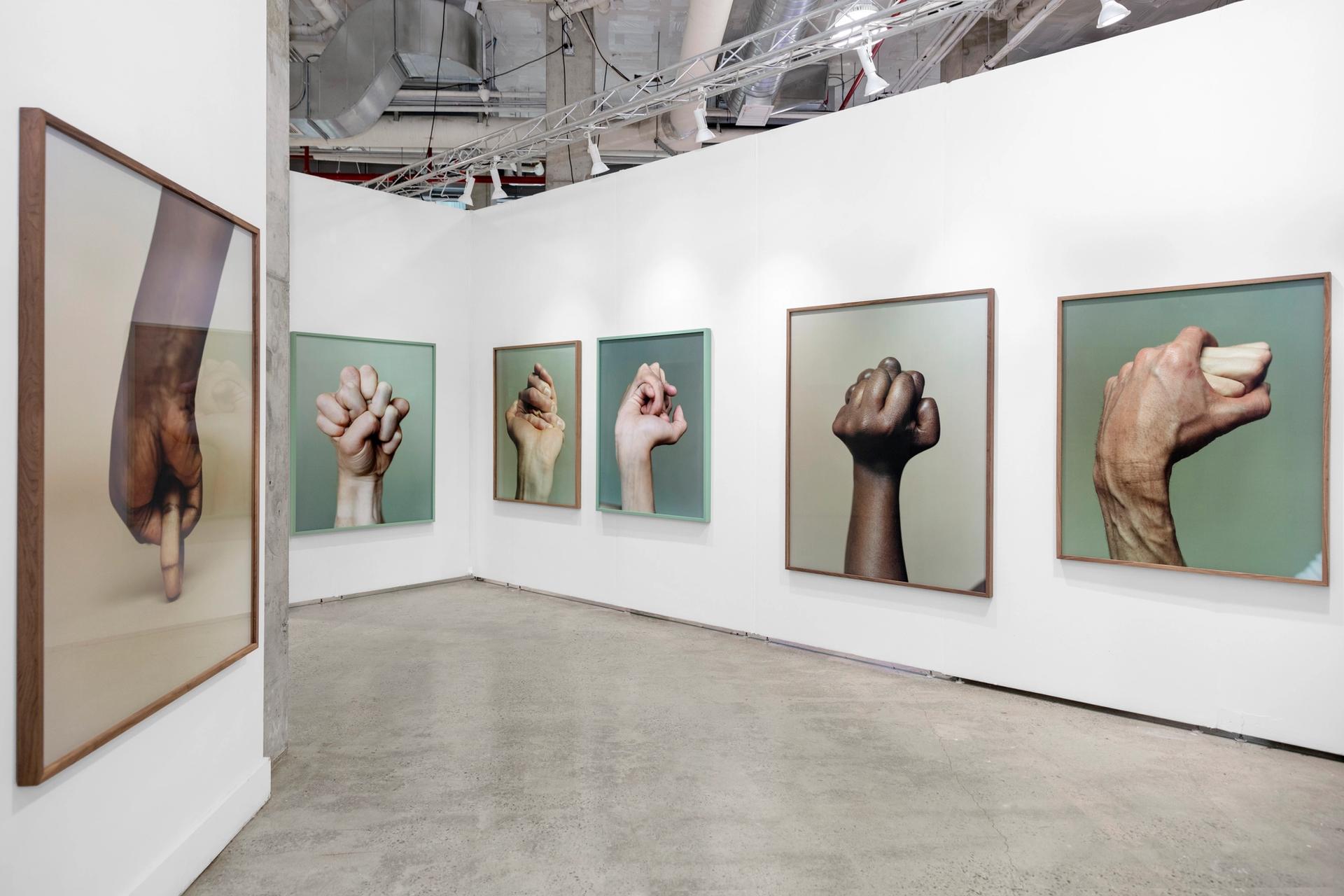
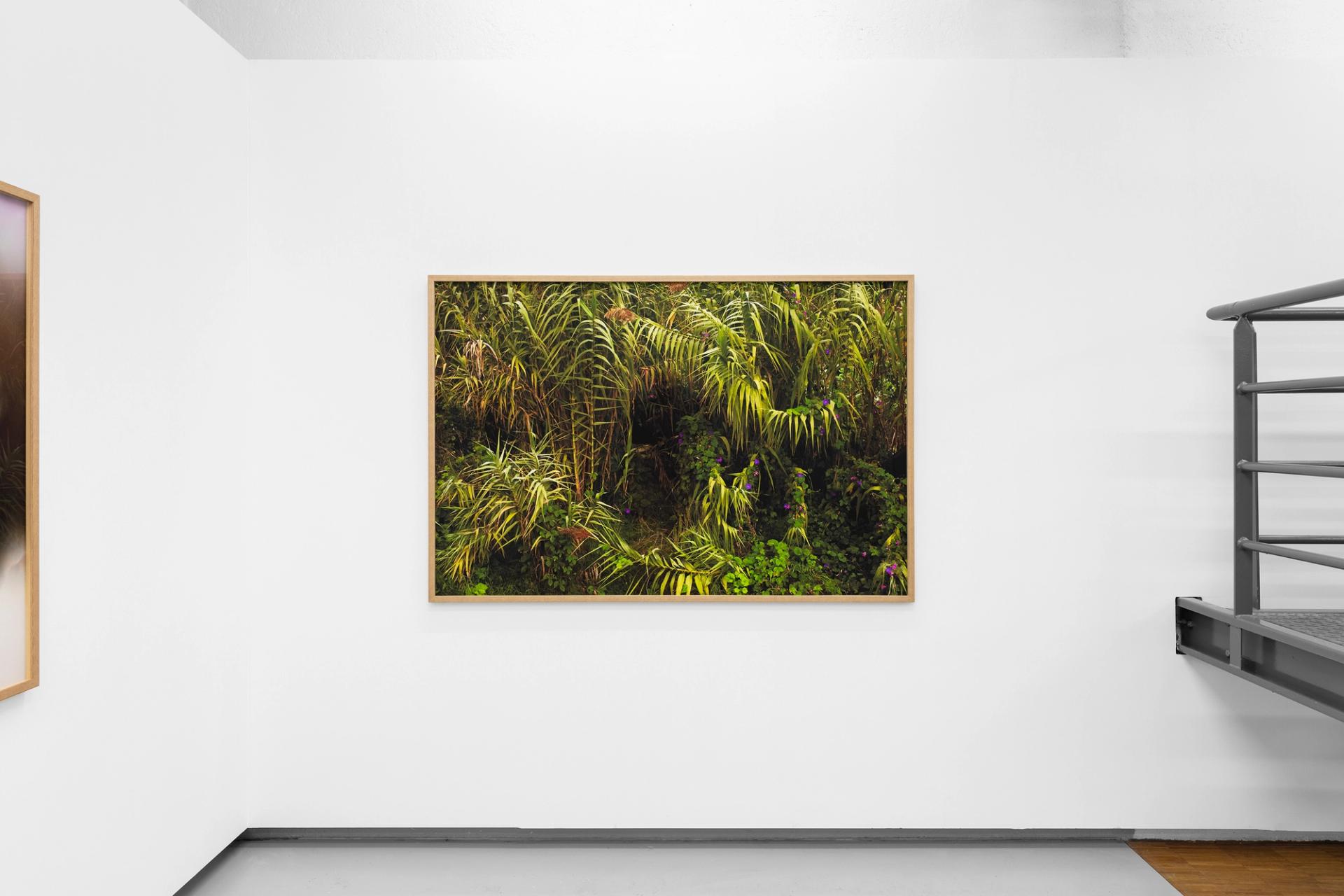
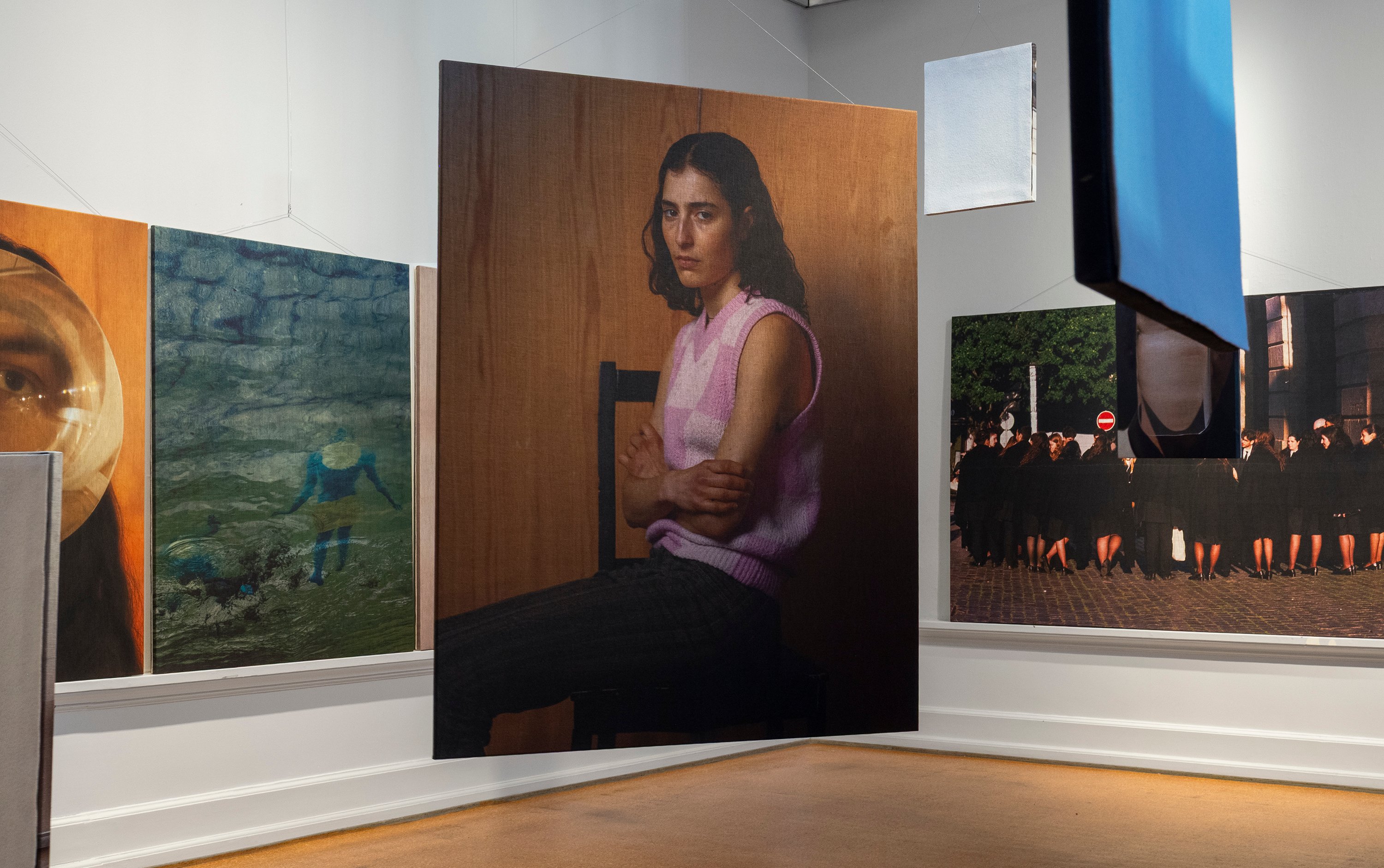
Developed through collaborations with around forty individuals across Scandinavia, the project shares control of portraiture with its participants rather than asking them to perform a stable identity. The resulting visual language moves between intimacy, performance, opacity and directness. Portraits coexist with Icelandic landscapes, still lifes, family archives and material from the Swedish State Institute for Race Biology in Uppsala (1922–1959). Mixed (SPBH Editions/MACK, 2026) therefore names not only cultural inheritance, but the photographic method itself: different genres, authorships and histories remain together without being resolved into a single aesthetic system.
The exhibition does not answer this linguistic absence by inventing another category. Instead, mixedness becomes a method for moving between photography, textile, architecture, myth, family history and archival evidence without granting any one of them final authority.
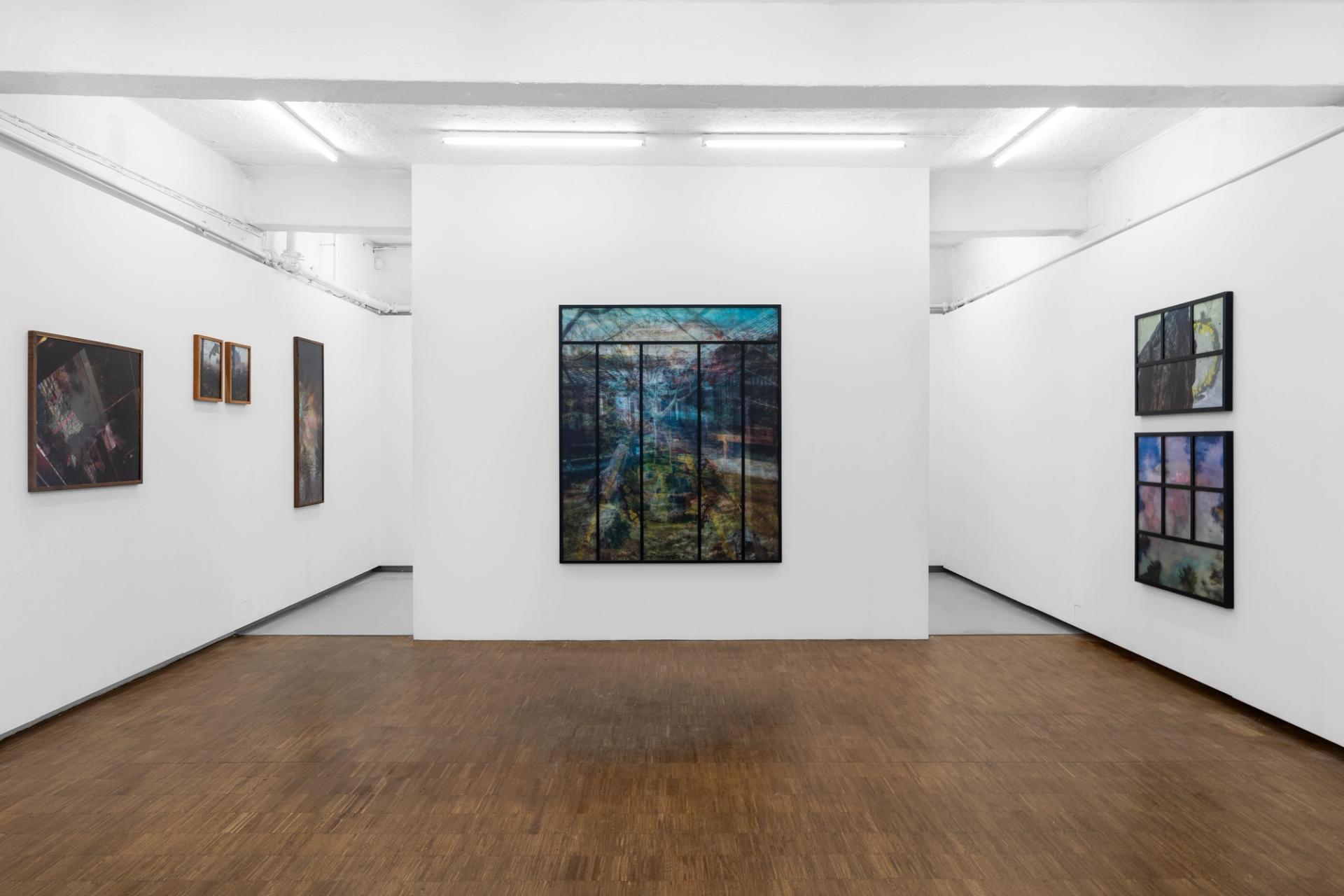
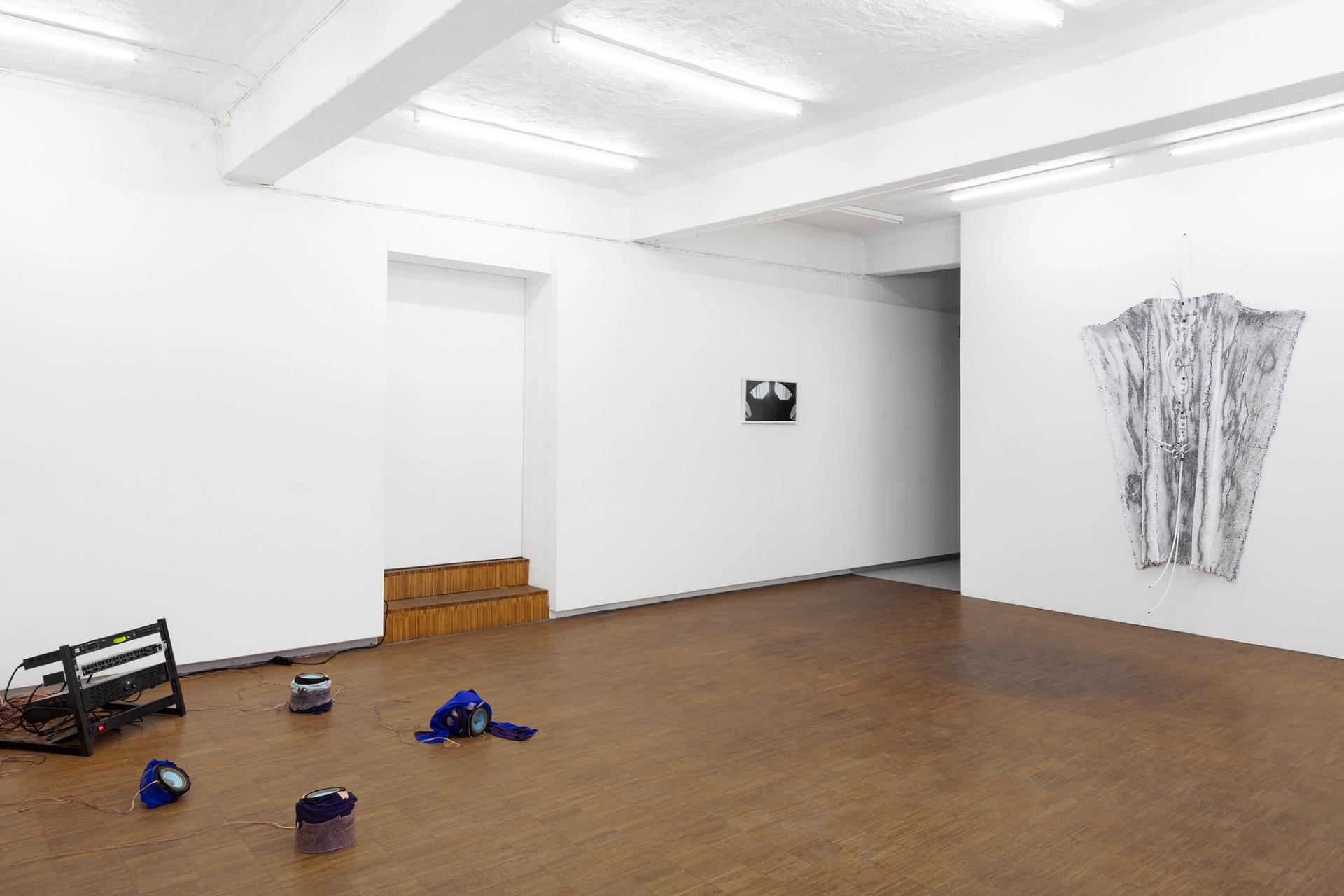
Photography is the starting point, not the conclusion. Images are woven as jacquard textiles, sublimation-printed onto linen, fragmented and suspended within a labyrinthine installation. Mounted on spinners, they turn with air currents and the movement of visitors. Their white reverses are made from the same material as the wall-to-wall carpet below, allowing any photograph to disappear into the room.
Installing a pristine white carpet in Scandinavia in March was partly a joke: wet shoes, dirt and winter would inevitably enter with the audience. That failure is built into the work. The carpet records every intrusion into cleanliness while exposing the labour required to preserve it. It also erases the familiar horizon between floor and wall, making the architecture lose its edges. Whiteness operates here as surface, atmosphere and demand. It presents itself as neutral by receding into the background, while the photographs appear and vanish against it. Visibility becomes conditional on position, timing and the presence of other bodies.
This instability matters because photography has never been innocent in producing human difference. The images from the Uppsala institute—where photography served the measurement and classification of bodies—are the only ones outside the labyrinth. Embedded directly in the walls and exposed through roughly broken openings, they appear as a concealed history forced through the institutional surface. The wall must be breached before the images can be seen.
At each end of the space, photographs of Iceland’s Kárahnjúkar hydropower development show pale mineral dust spreading across the altered landscape. What first resembles mist, snow or cloud is pollution masquerading as something pristine. Cut into vertical slats, these landscapes also resist a stable view, connecting environmental contamination to the exhibition’s concern with whiteness, purity and deceptive appearances.
My own body enters the work as both an entry point and a misdirection. The project begins in lived experience—Norwegian and Indian inheritance, queerness, family and the recurring question of belonging—but refuses the expectation that a racialized artist must provide a coherent, representative identity. Hindu deities, ghosts, family objects and archival traces coexist because myth and fabulation can hold contradictions that documentary language often flattens. They also expose the fantasies through which reality is organized: purity, national innocence, biological difference and coherent origins.
The labyrinth is not a metaphor for confusion, but a practical refusal of the straight line: the family line, the racial category, the documentary sequence and the clean historical narrative. Images spin, the horizon disappears, the carpet becomes marked and history breaks through the walls. Unmistakably You asks whether photography can do more than identify: whether an image can withhold, transform or disappear, and whether a person can remain unmistakable without becoming fully legible to the systems that seek to classify them.
↓ Previous Shows