Hilde Honerud (b. 1977, NO) holds degrees from Napier University in Edinburgh and the Oslo National Academy of the Arts. Honerud works within the tradition of documentary photography, although her subjects are far from conventional.
Her work has previously been shown at venues including Perspektivet Museum (NO), Høyersten Contemporary (NO), Preus Museum (NO), MELK (NO), Les Rencontres d’Arles (FR), QB Gallery (NO), CHART (DK), and Nitja (NO).
Honerud is Associate Professor of Photography at the University of South-Eastern Norway, where she leads the research group Research in Art and Design. She serves on the board of the non-profit organisation Yoga and Sports with Refugees in Greece, and was Deputy Chair of the National Jury for the 2024/2025 Autumn Exhibition (Høstutstillingen). She lives and works in Kongsberg and is represented by MELK.
MELK is excited to present Aletheia, Hilde Honerud's third solo exhibition at the gallery. The exhibition opens on Thursday, August 20, with a reception at Elisenbergveien 7 from 18.00–20.00.
As I write this, wildfires have a chokehold on parts of Southern Europe, and there’s pushback against migration everywhere. They are just one of many crises unfolding simultaneously. In times like these, I often think back to something a friend said in the wake of a widely publicized tragedy several years ago. I had been criticizing what I saw as the West's selective empathy when she reminded me that no one can be expected to care about everything, all at once. People have always had their biases, and they always will. What matters, she argued, is that people don't lose their ability to care, and that has stuck with me ever since.
As a member of the queer community and a person of color, the rise of far-right movements and transphobia is daunting. Climate change presents a different but equally constant source of anxiety. The Swedish term flygskam, coined a few years ago, meaning the guilt associated with air travel, may not weigh heavily on me personally, but as a young parent, it's easy to understand why someone might think twice before boarding a plane.
Anxieties about the future, the world her children will grow up in, form the point of departure for Hilde Honerud’s evolving project Regarding the Pain of the Future, first presented at MELK in 2024, today encompassing more than 70 images. Unlike the late Susan Sontag, to whose work the project title nods, Honerud is less concerned with scrutinizing photography than with its capacity to engage with real and pressing questions. This approach is familiar from GYM, my first encounter with Honerud’s compelling work, which turned the lens towards the young refugees of Moria Camp on the island of Lesvos in Greece.
Accompanied by her husband and children, Honerud has traveled to places, both near and far, including remote and highly inaccessible sites. Having the children in tow is fundamental to the work, their gaze and curiosity challenging and nuancing Honerud’s own. I even once encountered the family during my own travels on the beaches of San Sebastián, a moment that brought to mind how small the world really is.
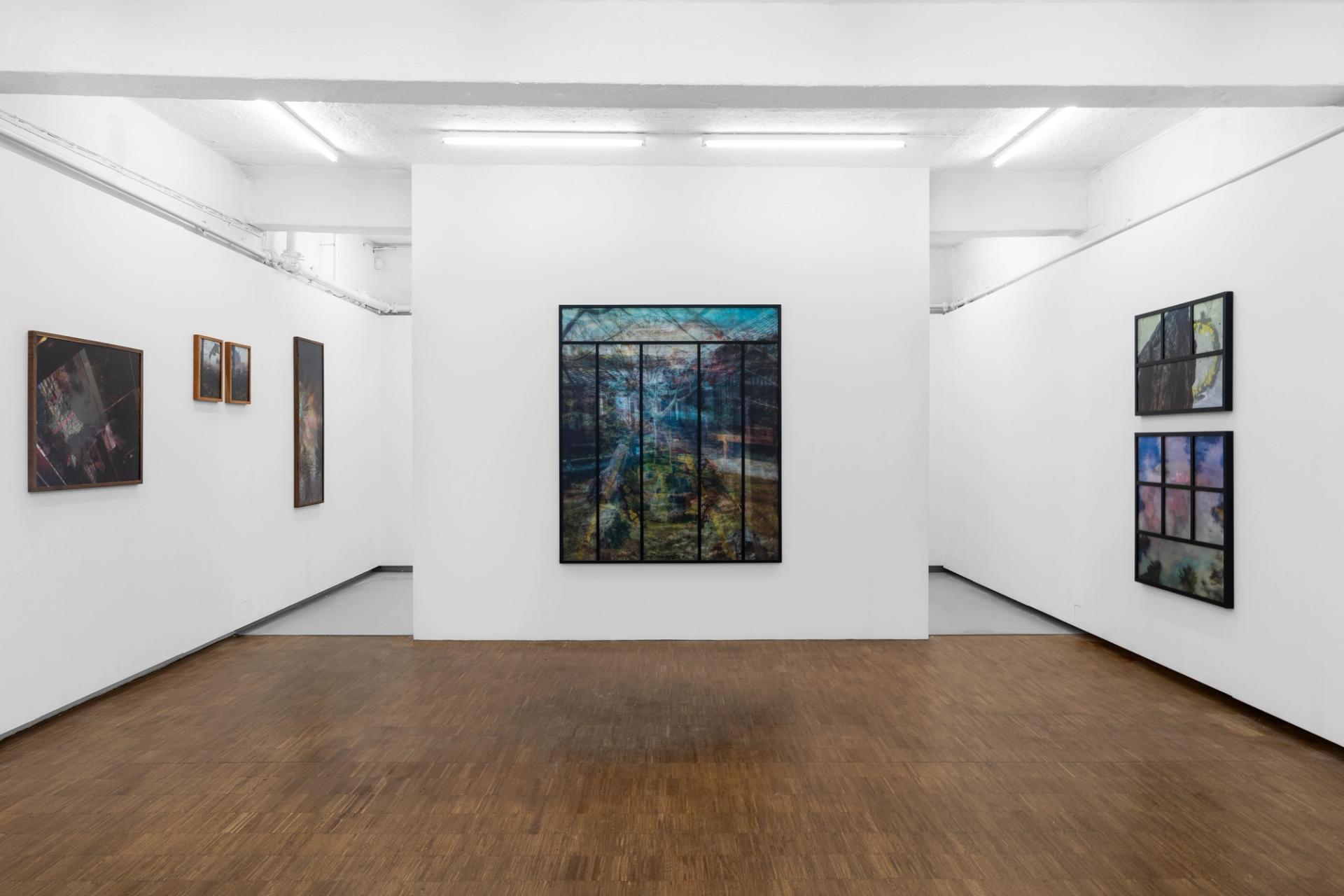
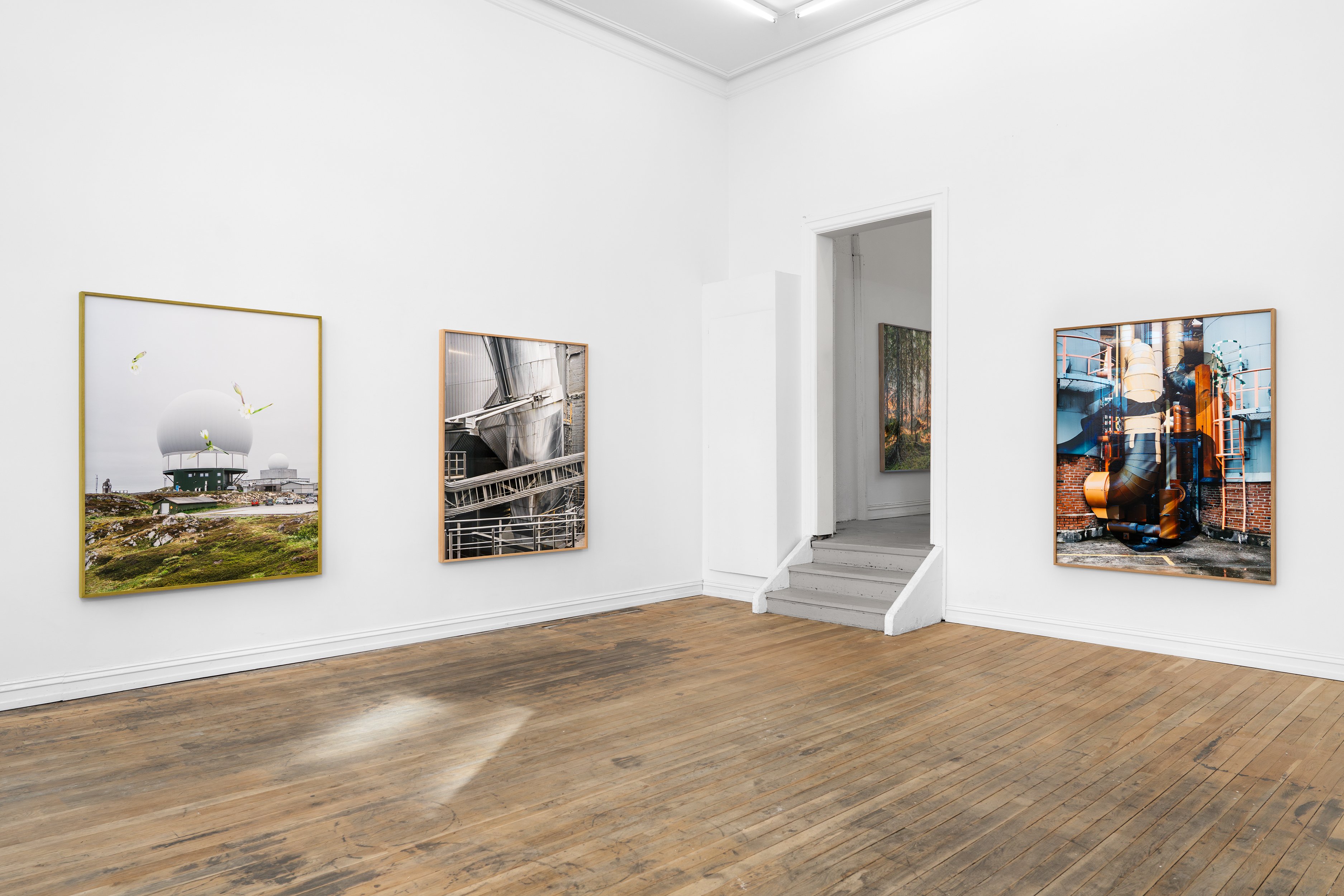
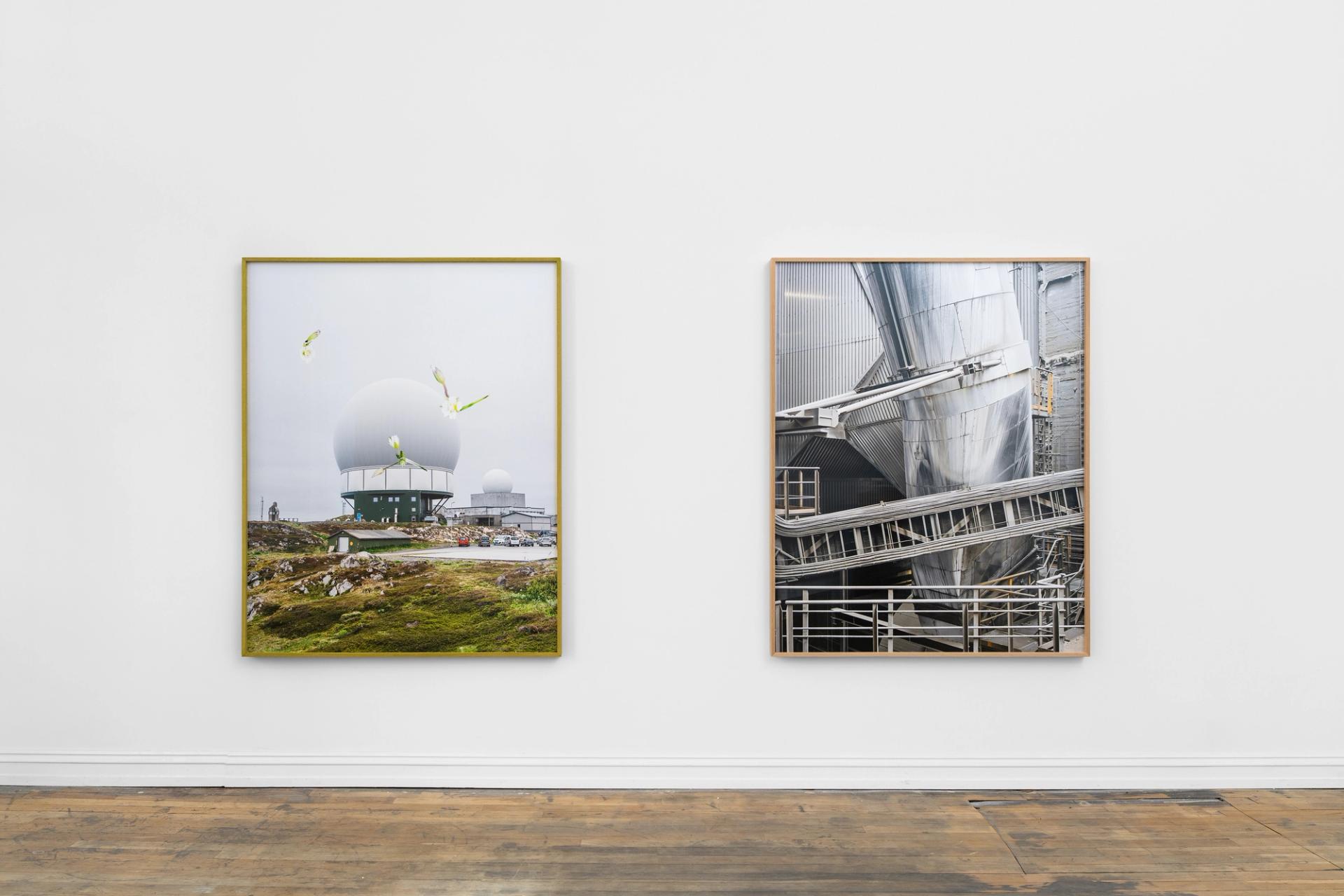
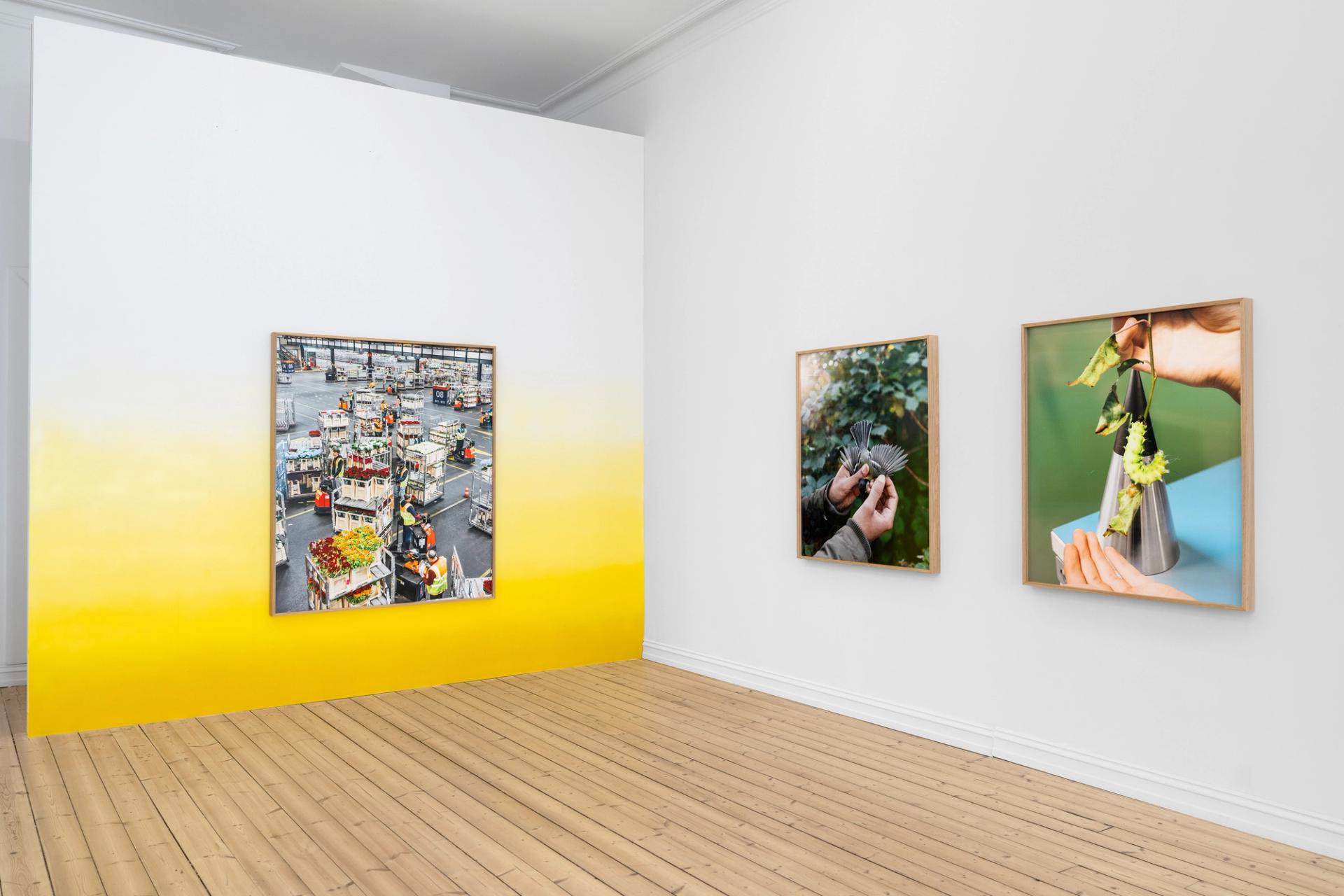
Family is not only present behind the lens but also implicitly appears in this new iteration of the work, for instance in the image of a dark silhouette of a figure wearing a cap, juxtaposed with what appears to be a production site of sorts. This kind of manipulation is not merely a formal device but a crucial element of the work, encouraging the viewer to observe and, in Honerud’s own words, remain vigilant. The editing stage is equally important as the many field trips, allowing for reflection on the experiences gathered along the way, each image holding stories well beyond what can be seen at face value.
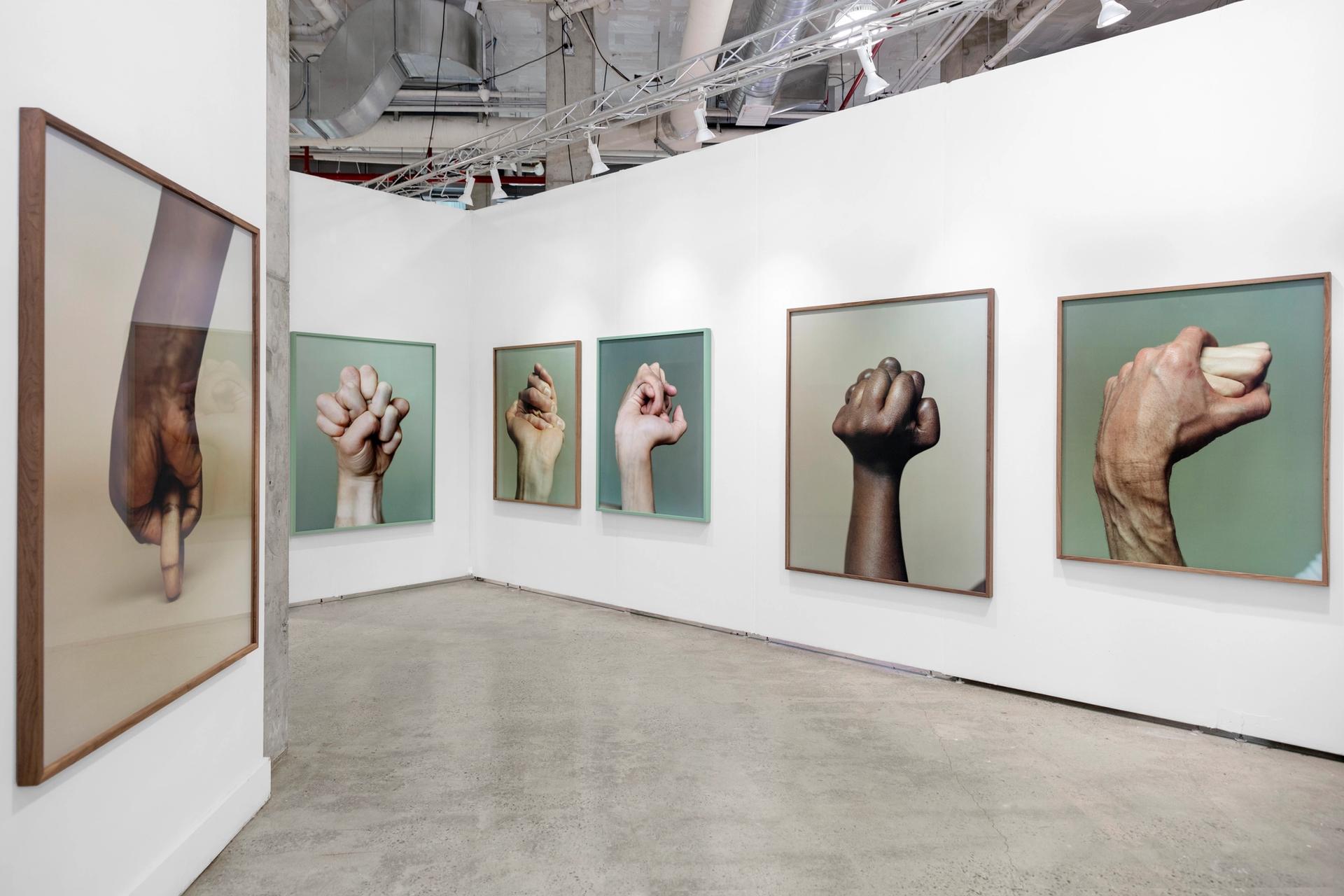
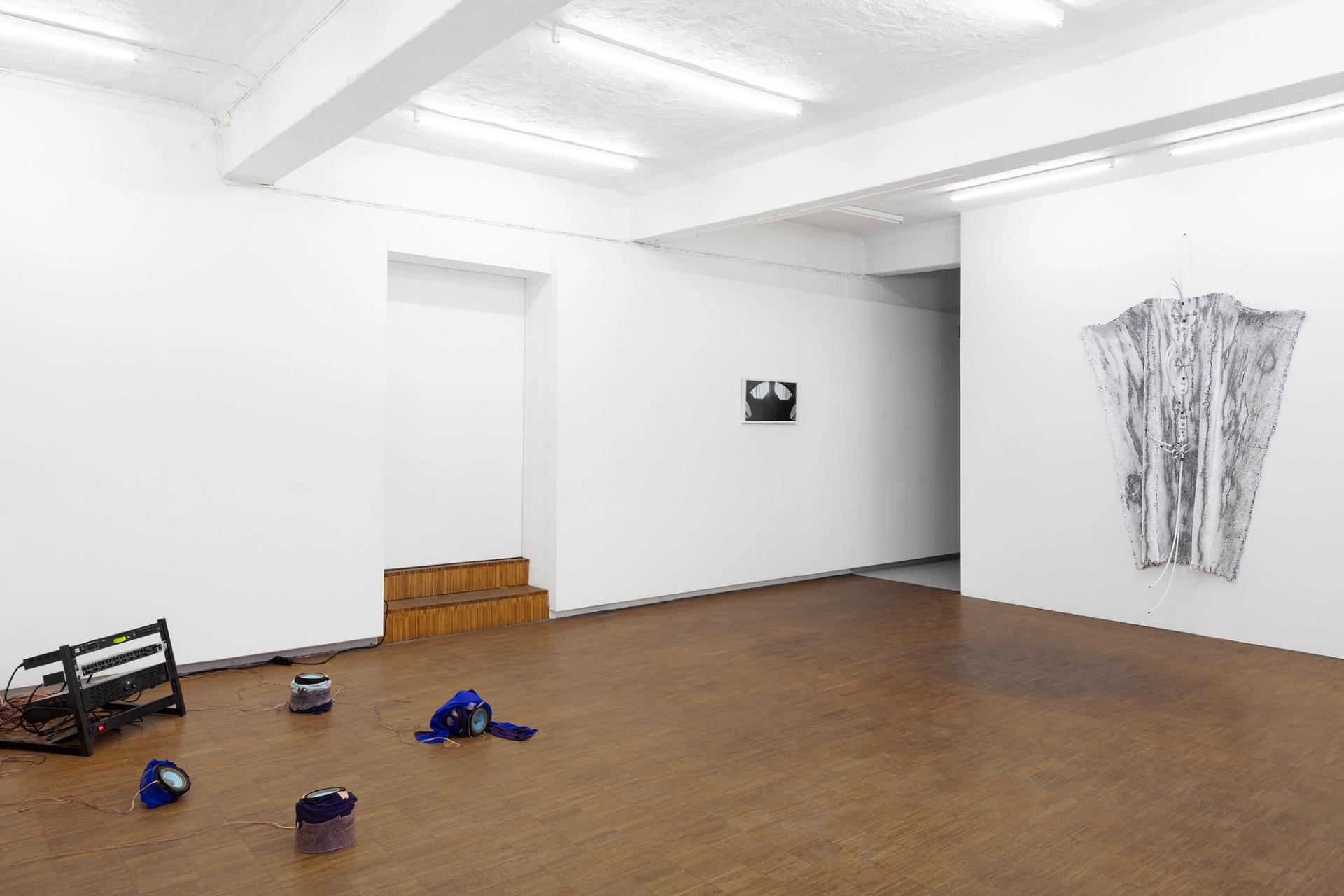
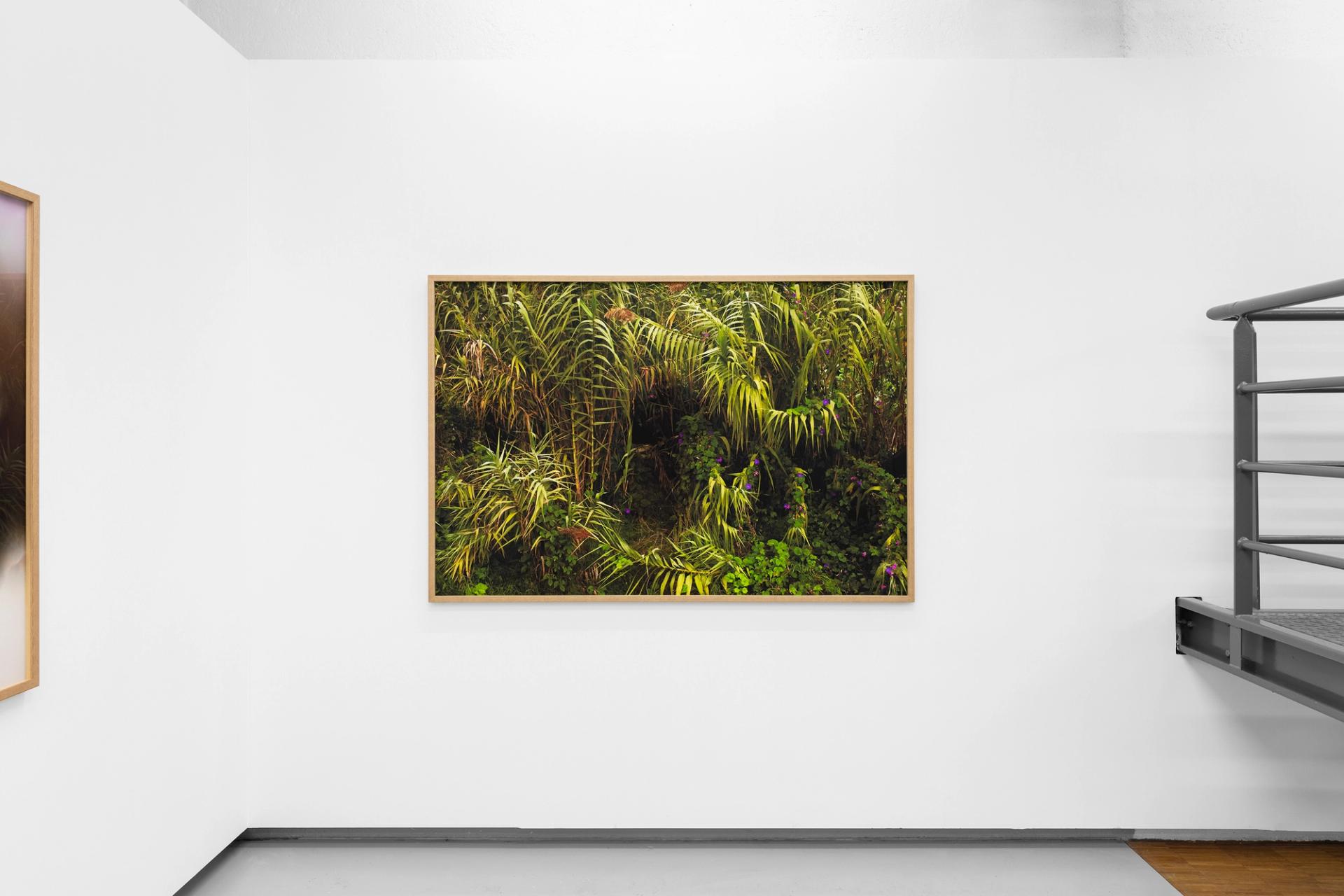
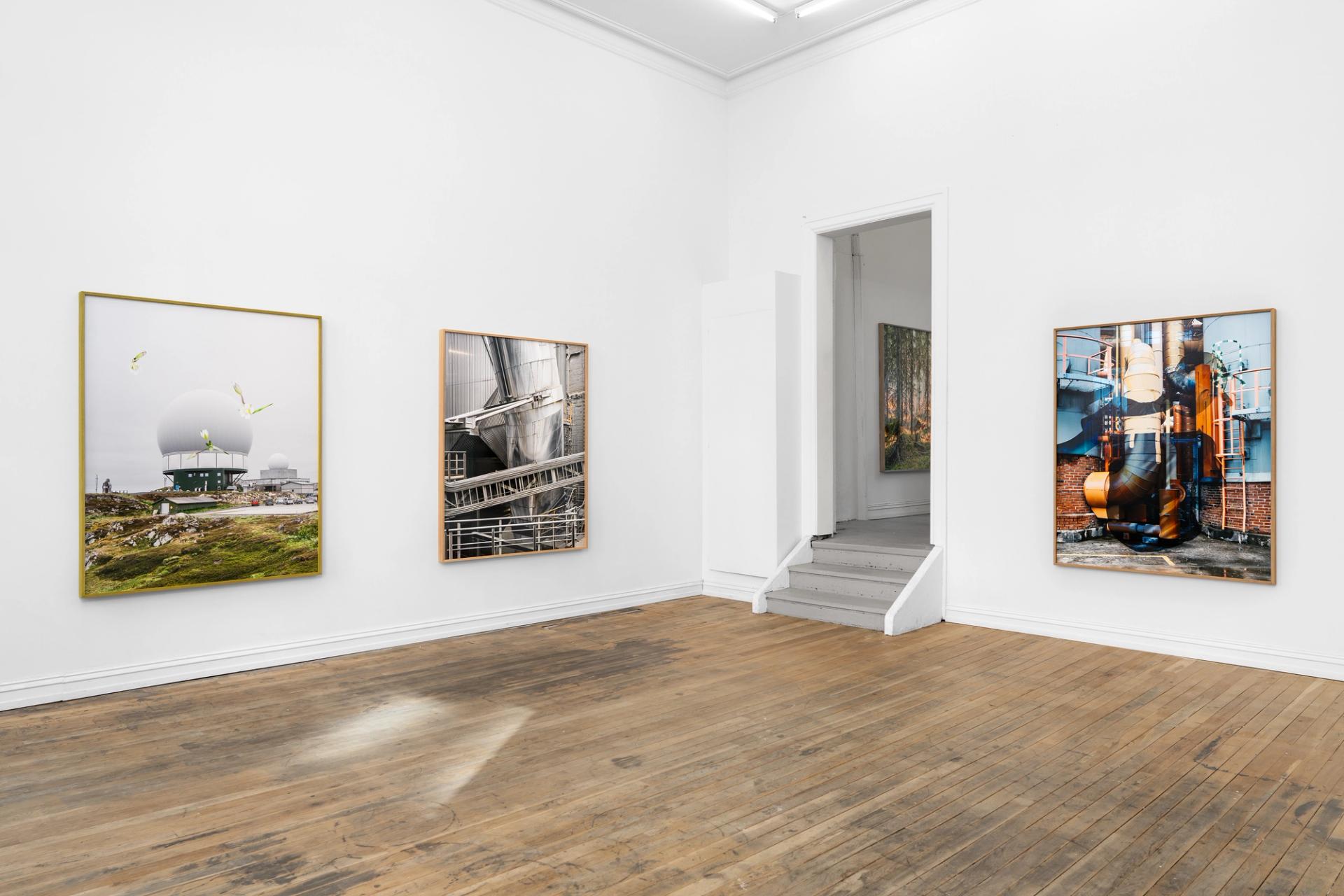
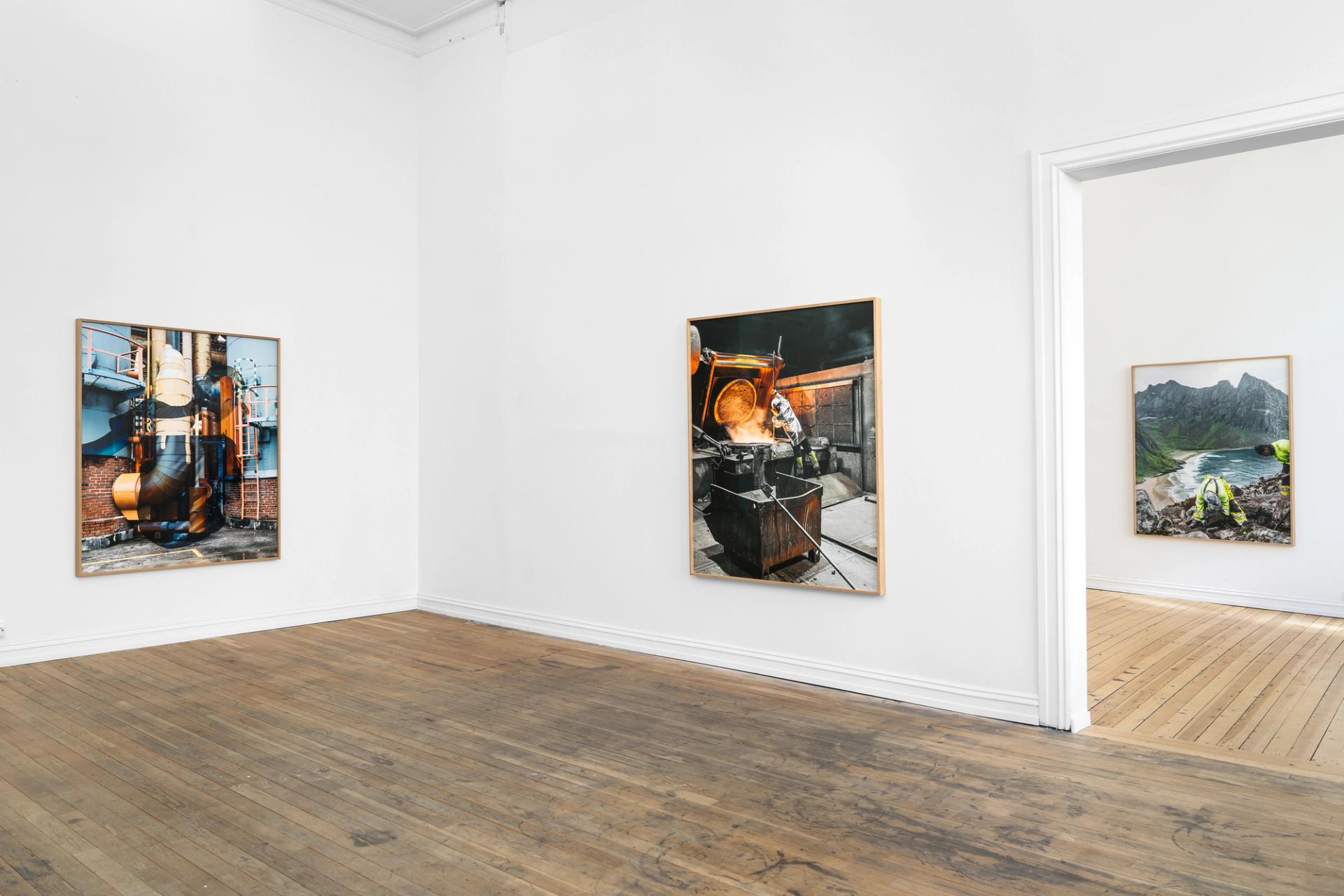
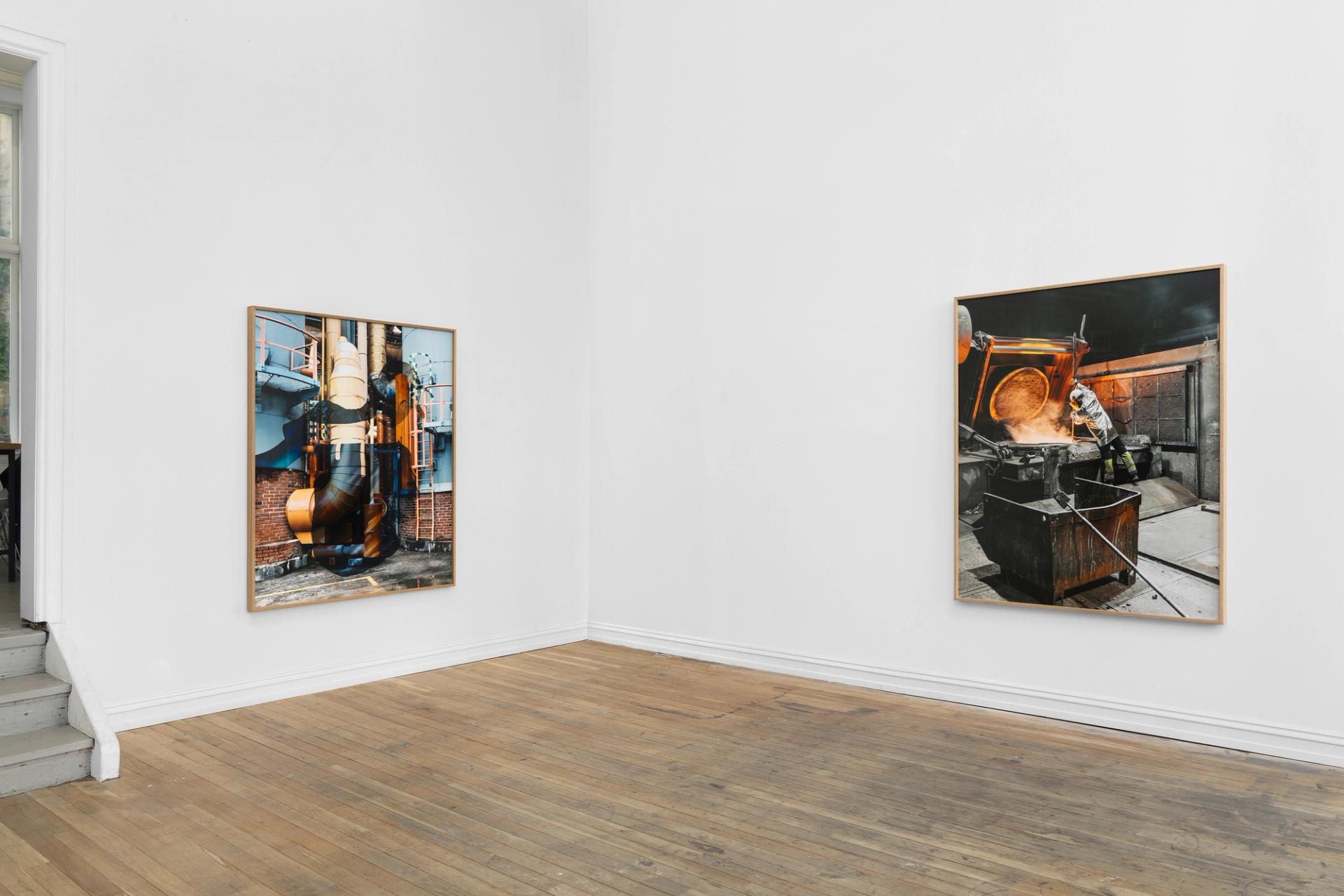
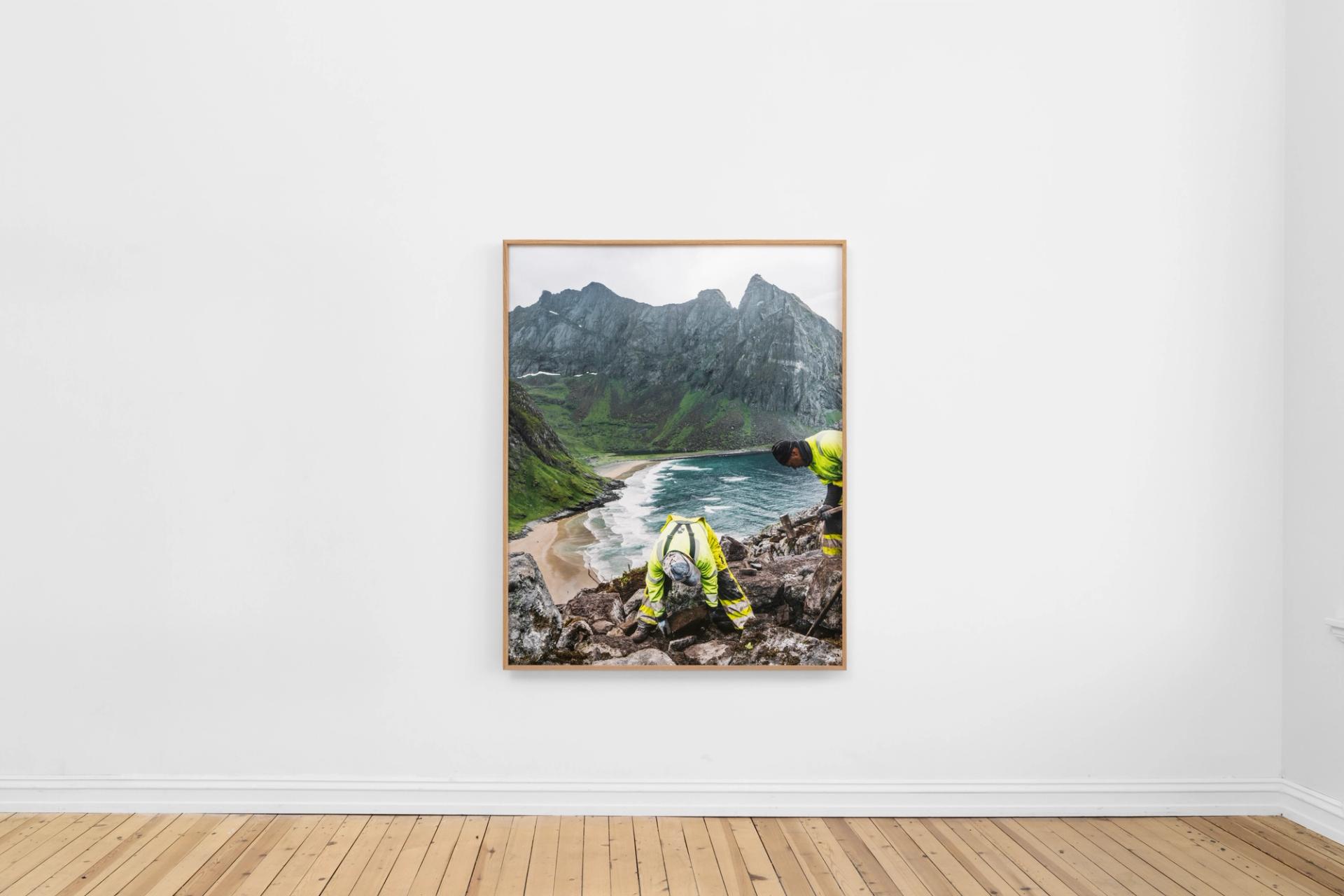
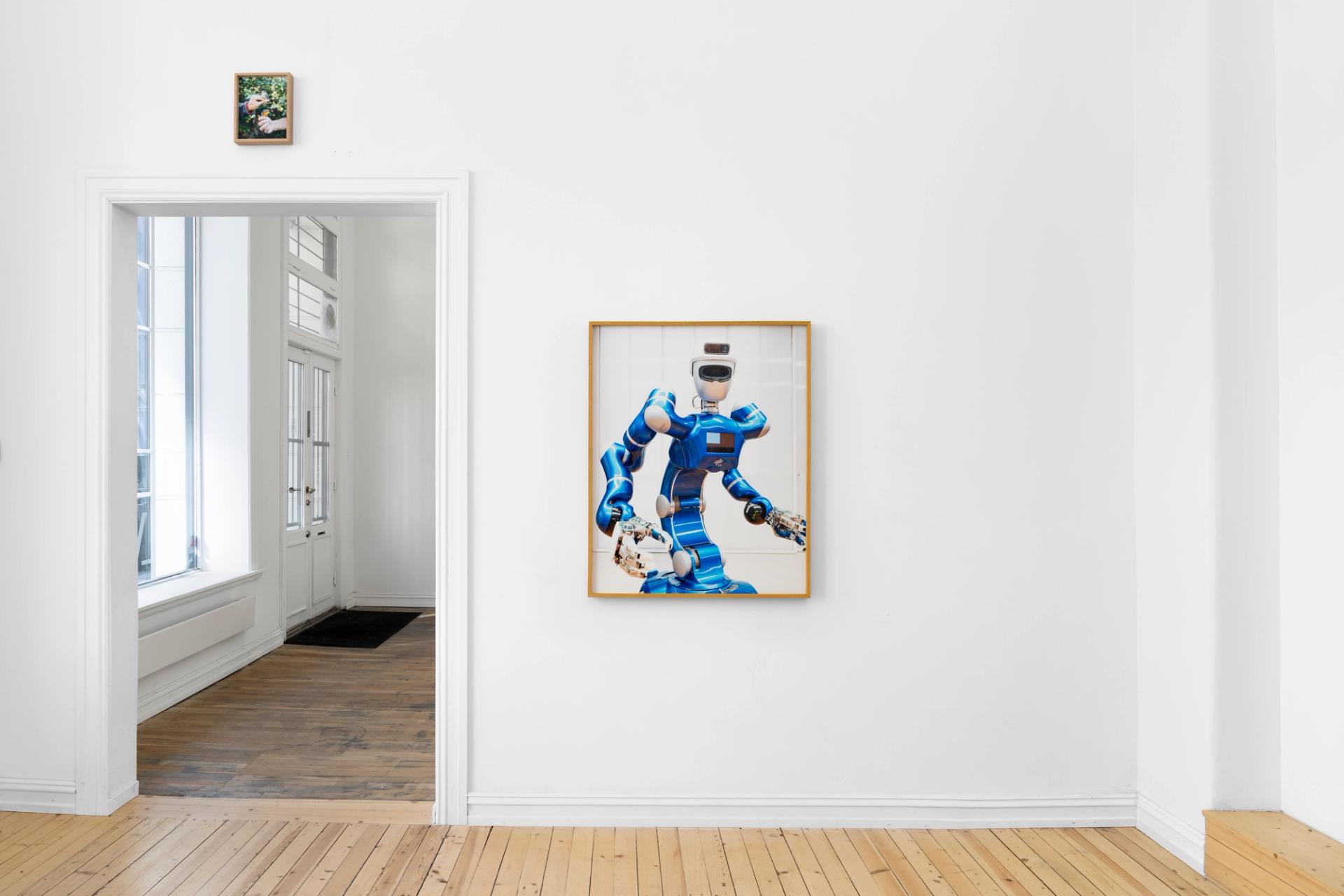
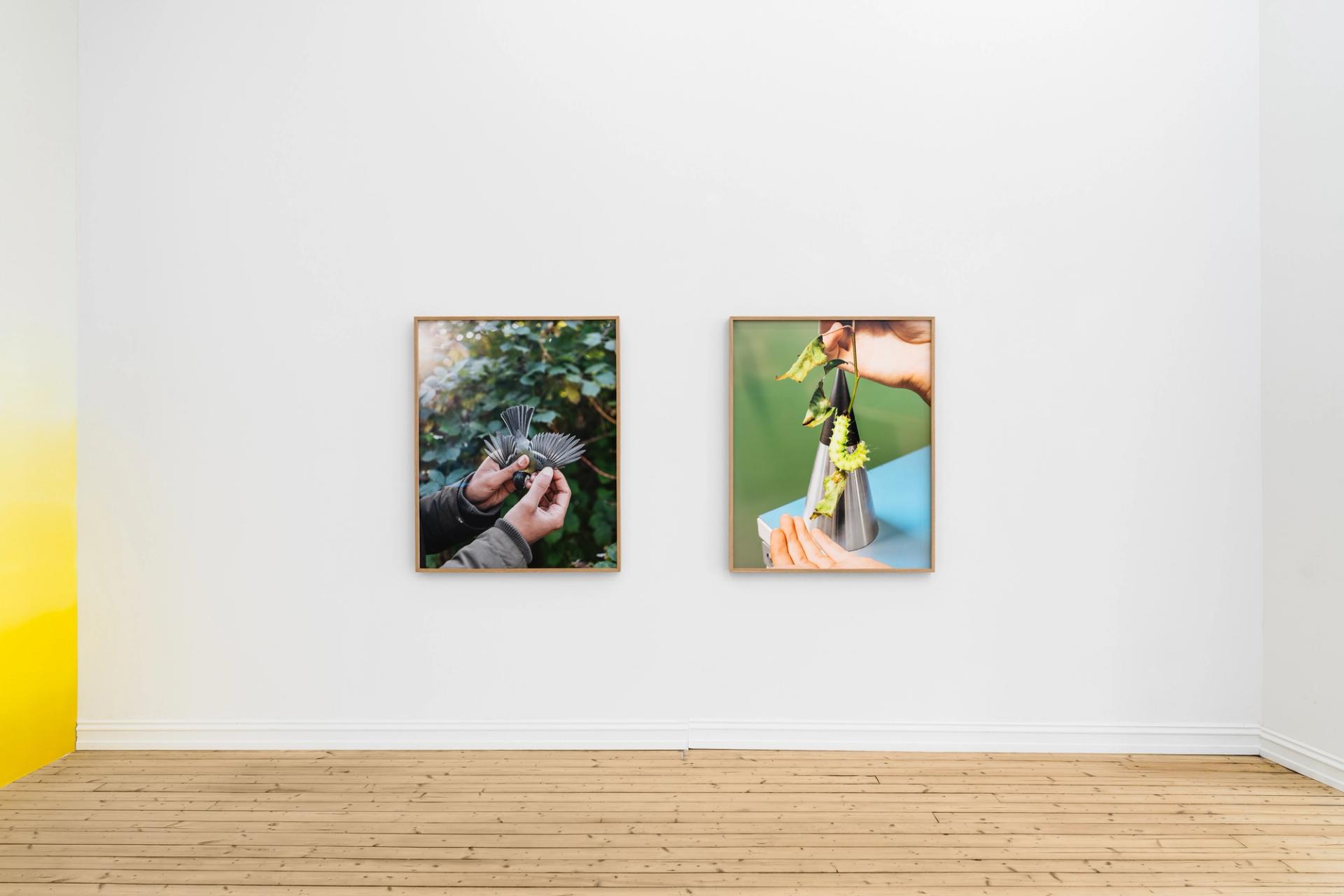
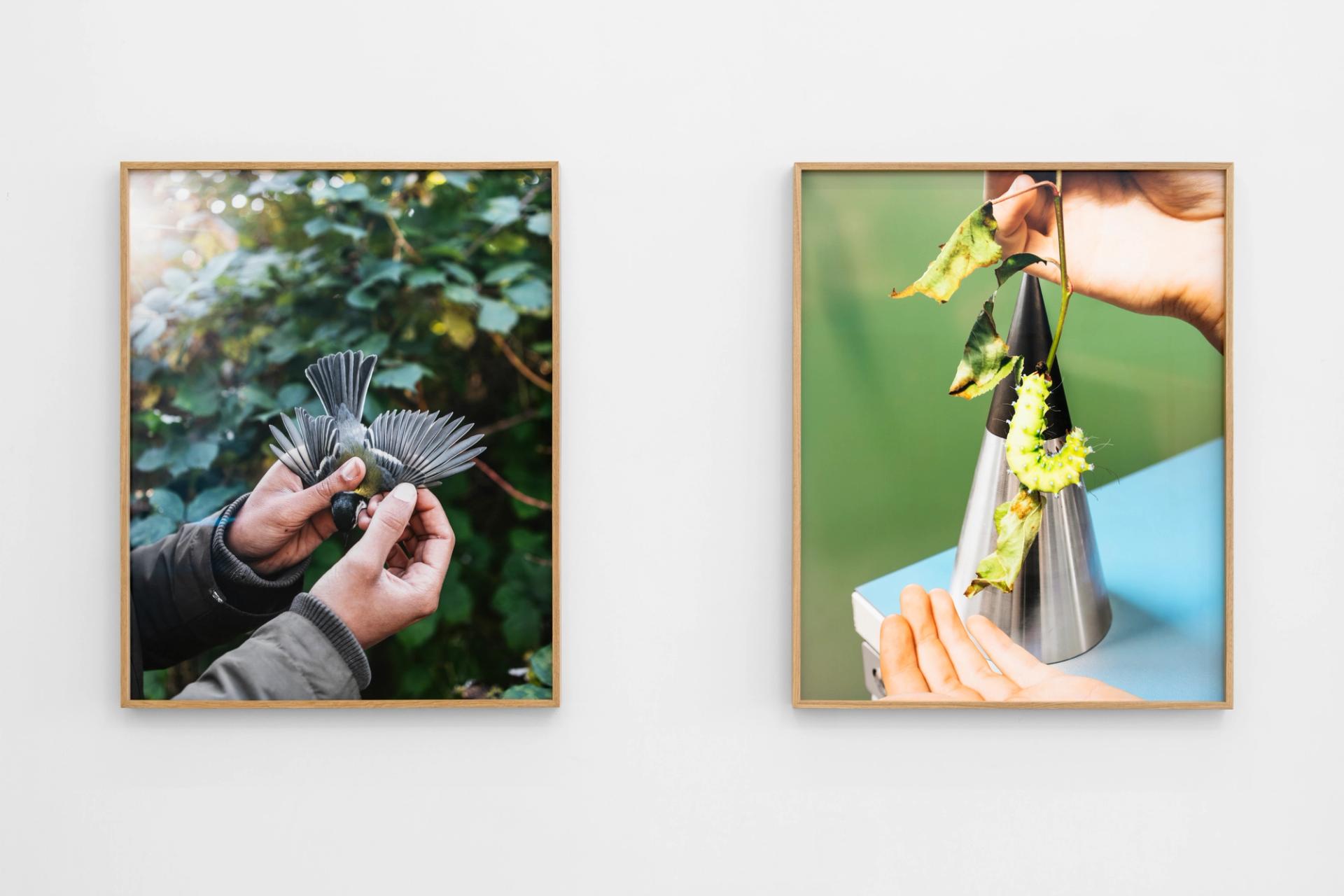
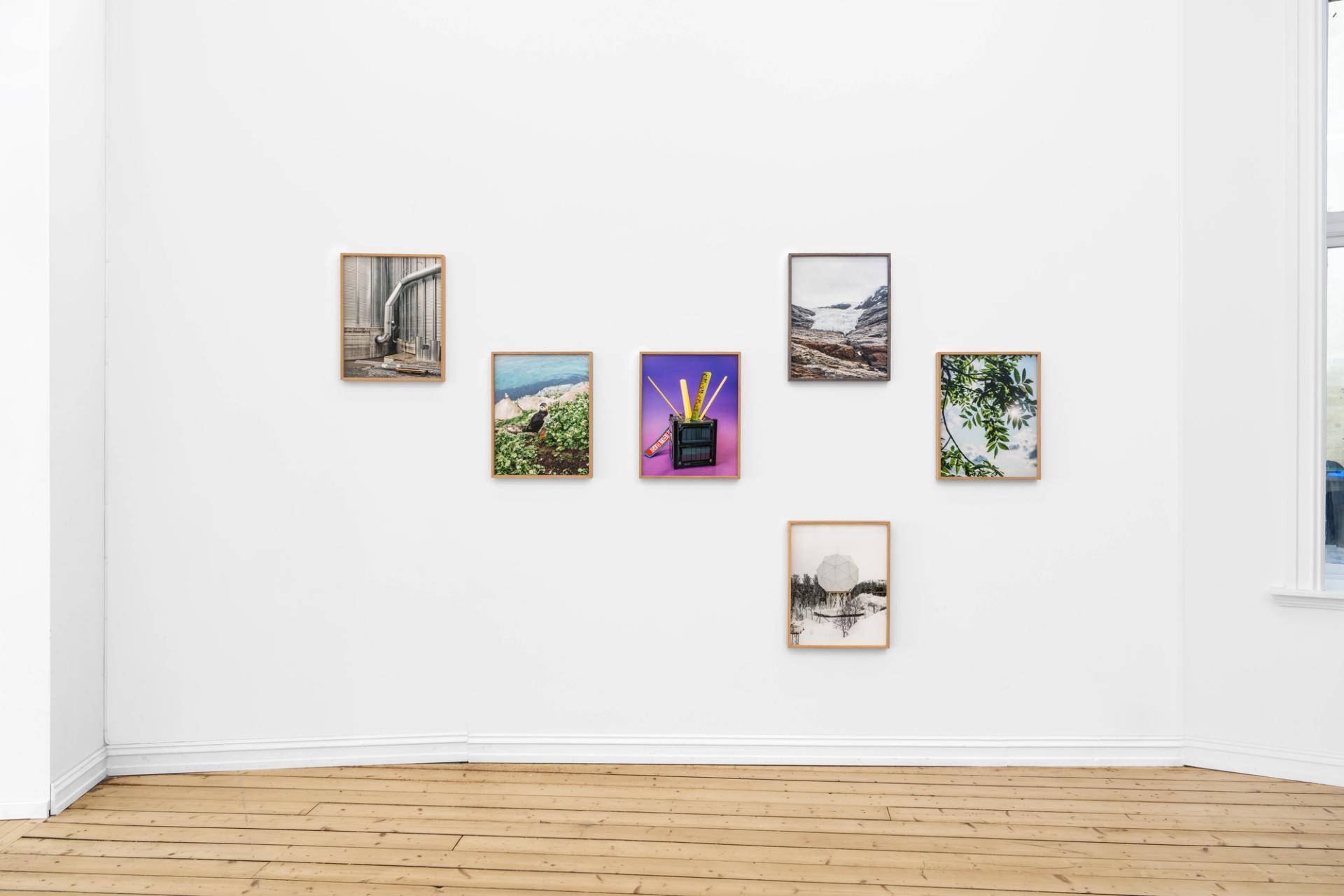
The exhibition, after much deliberation, is titled Aletheia, meaning "truth" in Ancient Greek. The images are diverse, varying in nature, scale, and motif. Among them are industrial sites and plants, endangered species, and even forests on fire. A body of work that at first glance can evoke different feelings and appear puzzling eventually starts to make sense to me the more time is spent with it. I gather it’s not about isolating singular occurrences but rather showing the complexity and entanglement of things, underlining that many truths can coexist at once.
Honerud draws on writer and thinker Rebecca Solnit’s rejection of the binary between optimism and pessimism regarding the future. Progress is not linear, and the effects of collective effort can be difficult to recognize in real time, often becoming visible only with hindsight. That uncertainty, however, leaves room for hope, an idea reflected in Aletheia through gestures of care and labour, recalling the importance of putting in the work for substantial change.
Text by Koshik Zaman
Aletheia is supported by: Kulturdirektoratet Visuell Kunst, Bergesenstiftelsen,, NOFOFO, Norsk Fagfotografers fond, Fritt Ord, Regionale prosjektmidler, Fond for Lyd og bilde, Vederlagsfondet

↓ Previous Shows